
What Does a Motorcycle Tank Pad Actually Do?
Protection vs. Style — and Why You Don’t Have to Choose
When riders talk about tank pads, the conversation often splits into two camps: function and appearance. Some see them as pure protection, others as a cosmetic add-on. In reality, a motorcycle tank pad sits right at the intersection of practical protection and personal style.
So what does a motorcycle tank pad actually do—and is it really necessary? Let’s break it down.
1. The Functional Side: Real Protection for a High-Wear Area
Your fuel tank is one of the most visible—and most vulnerable—parts of your motorcycle.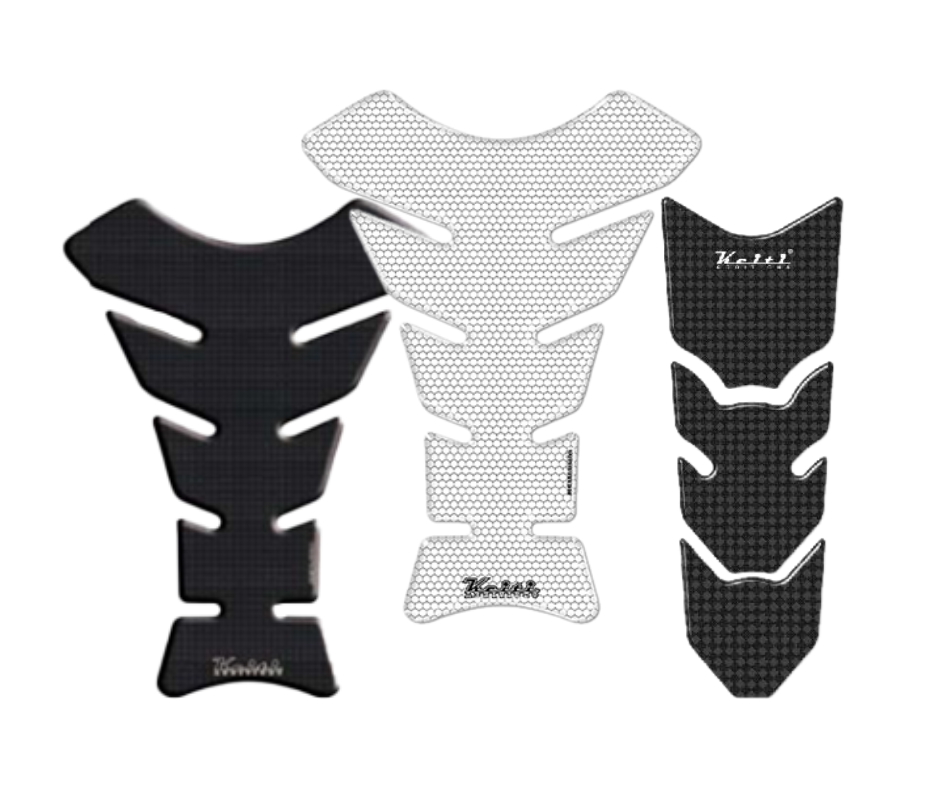
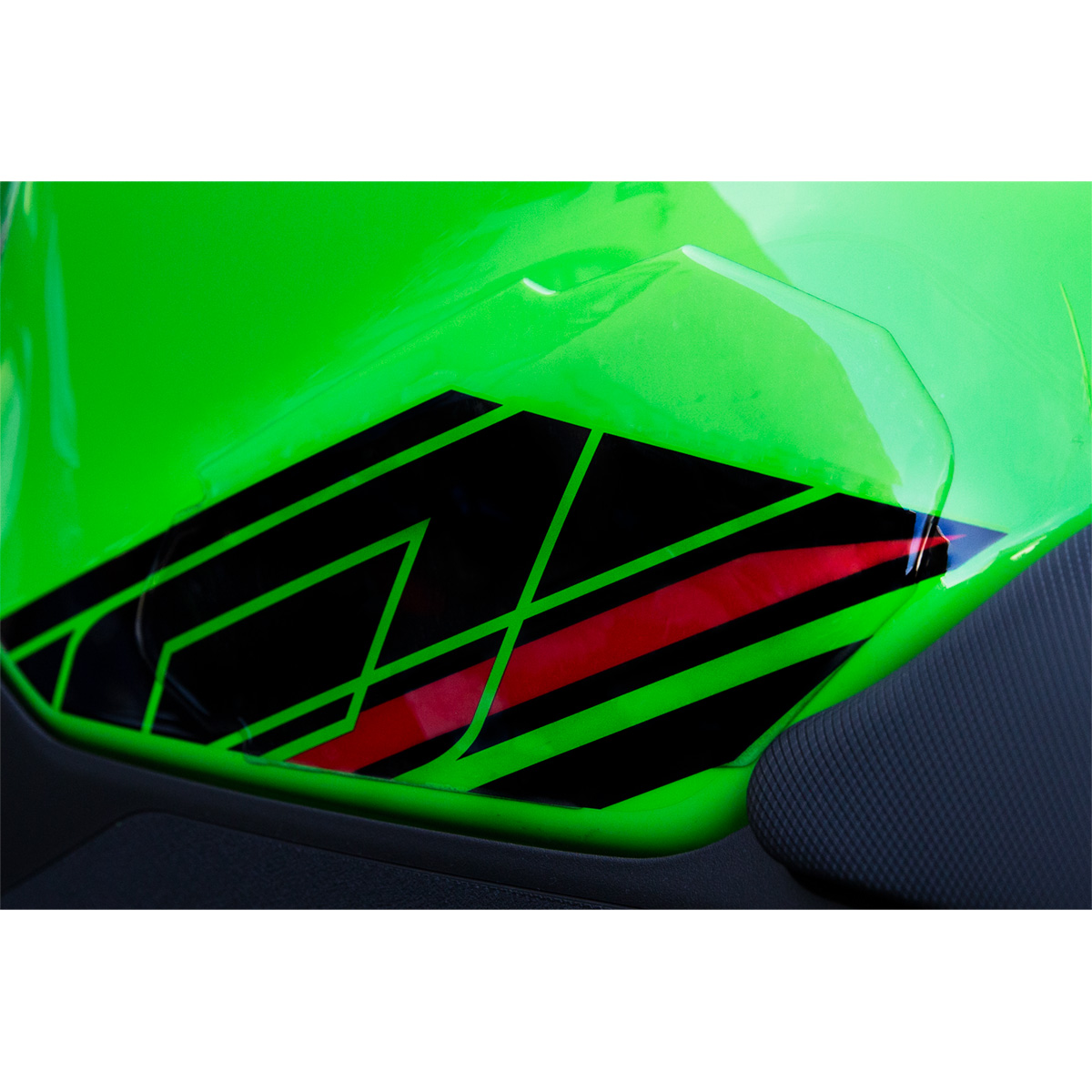
Common causes of tank damage
-
Zipper abrasion from jackets
-
Belt buckles or metal buttons
-
Dust and sand trapped between rider and tank
-
Frequent braking pressure on sport and naked bikes
Over time, these create:
-
Fine swirl marks
-
Matte “rubbed” patches
-
Deep scratches that cut through clear coat
A tank pad acts as a sacrificial layer, absorbing friction so your paint doesn’t have to.
Practical benefits
-
Protects original paint and clear coat
-
Helps preserve resale value
-
Reduces visible wear on daily riders
-
Especially useful on glossy or metallic finishes
For many riders, especially commuters and long-distance tourers, this protection alone justifies installing one.
2. The Control Factor: Extra Grip Where It Matters
Beyond scratch protection, tank pads also improve rider control.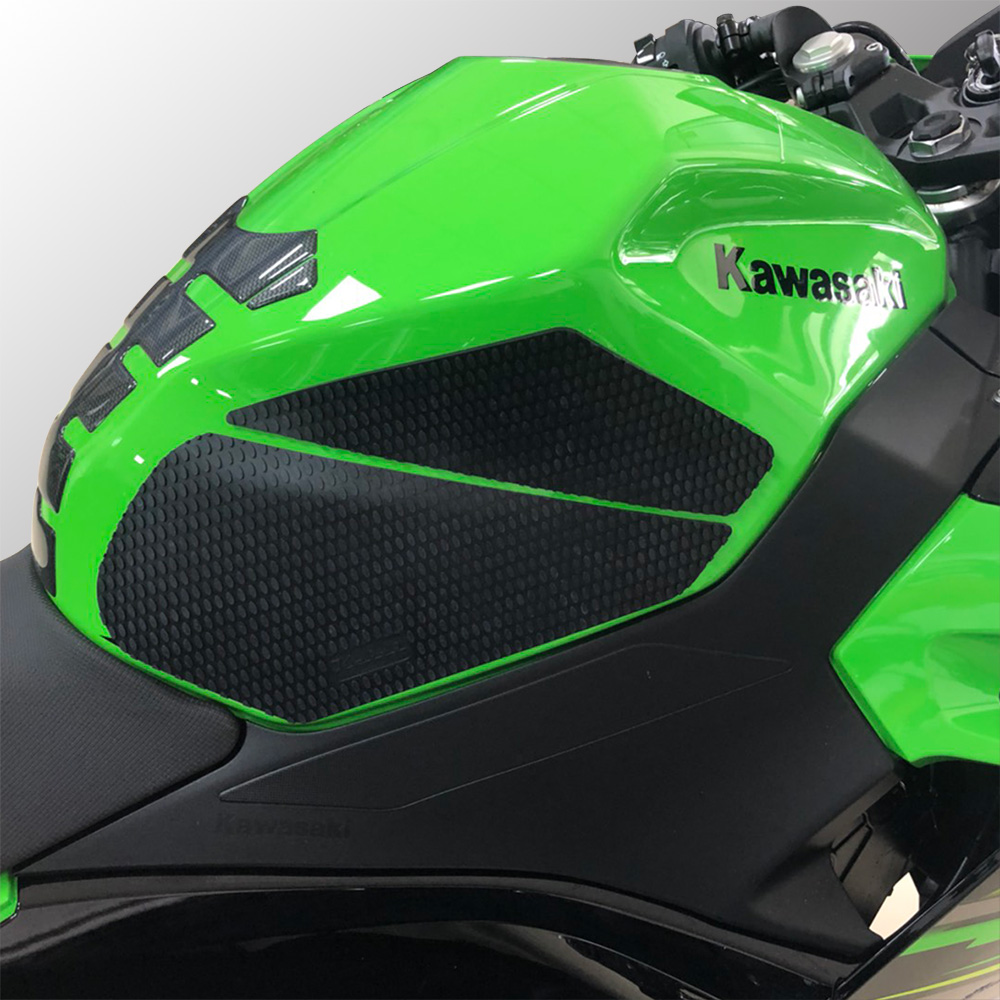
When braking or cornering:
-
Your body naturally presses against the tank
-
Smooth paint can feel slippery
-
You end up over-gripping the handlebars to compensate
A textured tank pad:
-
Adds friction between rider and bike
-
Helps stabilize your body under braking
-
Reduces fatigue on wrists and arms
This is particularly noticeable on sport bikes, naked bikes, and aggressive riding positions.
3. The Style Question: A Visual Upgrade, Not Just an Accessory
Let’s be honest—style does matter.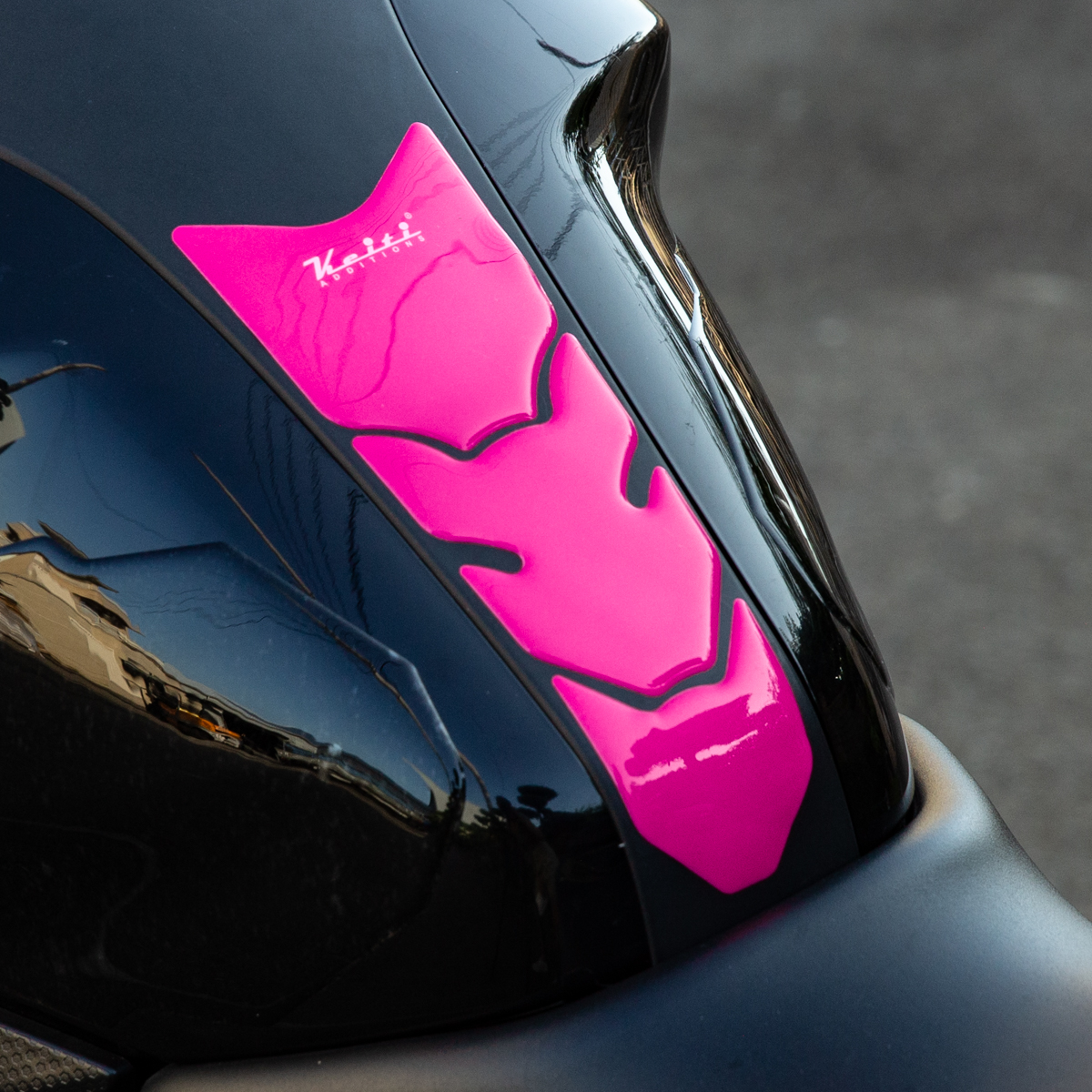
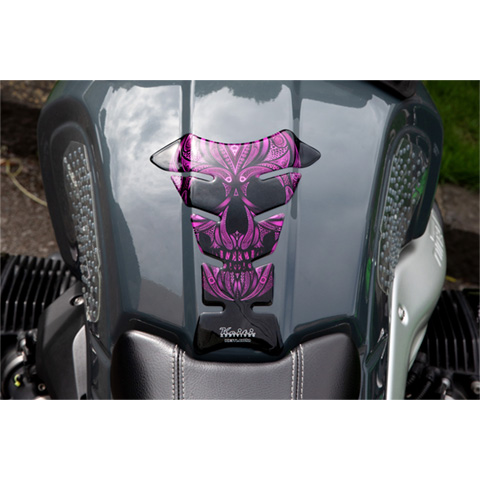
Modern tank pads are designed to:
-
Complement bike lines and tank curves
-
Match or accent factory colors
-
Add texture without looking bulky
Design options commonly include:
-
Clear or minimal pads for subtle protection
-
Carbon-look or textured finishes for a sportier feel
-
Graphic or logo-based designs for brand expression
Rather than detracting from the bike, a well-designed tank pad can make the tank look more complete, especially on modern motorcycles with sharp bodywork.
4. Protection vs. Style: It’s Not an Either-Or Choice
A common misconception is that you must choose between:
-
Ugly but functional, or
-
Stylish but useless
High-quality tank pads today are engineered to deliver both:
-
Durable materials that resist peeling and yellowing
-
Adhesives that hold firmly without damaging paint
-
Designs that follow tank contours cleanly
At Keiti Hardware Industrial Co., Ltd., tank pads are developed with this balance in mind—protective enough for daily riding, refined enough to look intentional.
5. Is a Tank Pad Worth It?
If you:
-
Ride regularly
-
Care about your bike’s appearance
-
Brake hard or ride aggressively
-
Plan to keep your motorcycle long-term
Then yes—a tank pad is one of the simplest, most cost-effective upgrades you can make.
It installs in minutes, requires no tools, and quietly does its job every time you ride.
Final Thoughts
A motorcycle tank pad isn’t just decoration—and it’s not just armor. It’s a small detail that improves longevity, comfort, and visual cohesion all at once.
Protection and style don’t have to compete. With the right tank pad, they work together—just like rider and machine.
If you’re considering one, think less about whether you need it, and more about how much wear your tank sees every ride.
